Blog

What is Anesthesia?

May 10th, 2024|General|

Anesthesia Services

A lot of people get nervous to visit the dentist or an oral surgeon. That’s okay! Any doctor’s goal is to make you as comfortable as possible for any procedure you have. For Oral and Maxillofacial Surgeons (OMS), this includes doing procedures under sedation or anesthesia. There are a few different types of anesthesia that can be utilized for different purposes. 

Local anesthesia

Local anesthesia involves numbing a small specific area of the body, typically via a needle. This is used for minor surgical procedures and dental work. OMS use this procedure for biopsies, simple extractions, as well as stitches. The needle injection is applied directly to the target area. There is no loss of consciousness for this procedure, and the patient’s sensory factors to this area are blocked. 

Local anesthesia medications include drugs used to temporarily block nerve impulses to result in a loss of sensation. The most common medications used are Lidocaine, Mepivacaine, Bupivacaine, Articaine, and Procaine. Differences in these medications include onset of action (time taken to affect the area) and duration of affect.

Regional Anesthesia 

Regional Anesthesia involves numbing a specific area of the body, typically an area a lot larger than one numbed with local anesthesia. Typical use of regional anesthesia is for childbirth or to numb extremities in orthopedic surgeries. This anesthesia is an injection into the epidural space, around individual nerves (peripheral nerve blocks), or into the cerebrospinal fluid. Patients can remain awake for some general anesthesia procedures. OMS do not use regional anesthesia, but are trained on how to administer it.

Regional anesthesia medication typically includes a local anesthetic like those listed above, combined with an adjuvant or additive to enhance their effectiveness or prolong the duration of action. These adjuvants or additives can include epinephrine, clonidine, dexamethasone, and opioids. Specific medications are determined depending on factors such as the onset of action of the drugs, type and duration of the procedure, and the patient’s medical history and allergies.

General Anesthesia 

General anesthesia involves loss of both consciousness and sensation throughout the entire body. It can be administered through inhalation (breathing in gasses) or intravenously (through a vein). It is commonly used for major surgeries. OMS use general anesthesia for facial reconstructions, jaw reconstructive (orthognathic) surgery, TMJ procedures, as well as for young children who undergo oral surgery.

The medication involved in general anesthesia includes a combination of drugs to achieve muscle relaxation, unconsciousness, pain relief and amnesia. Intravenous medications can include Propofol, etomidate, and barbiturates; Inhalation medications can include sevoflurane, desflurane, and isoflurane; Other additives for general anesthesia to achieve neuromuscular blocks and pain relief include succinylcholine, non-depolarizing NMBAs, opioids, and benzodiazepines. 

Monitored Sedation 

Sedation is administering medications to induce a state of relaxation and decreased awareness without causing complete loss of consciousness. Often, it’s used in combination with local or regional anesthesia for minor procedures or tests. Sedation can range from minimal (light) to deep sedation depending on the procedure. Deep sedation allows for the patient to be nearly unconscious but still able to respond to stimulation. This is the most common type of anesthesia used in oral surgery.

Depending on the medical procedure and level of sedation will differentiate which drugs are used by your doctor. For minimal sedation, common medications include benzodiazepines and nitrous oxide (“laughing gas”); moderate sedation uses benzodiazepines and opioids; deep sedation uses Propofol, ketamine, and dexmedetomidine. 

Oral Surgery Sedation

Oral Surgeons are qualified to administer anesthesia services due to their 4 year Oral Surgery residency. This education is tailored to the needs of oral and maxillofacial surgery and allows for them to gain both academic education and hands-on experience. At Jackson Oral and Facial Surgery, all of our doctors are certified through the American Board of Oral and Maxillofacial Surgery (ABOMS) and hold licenses for anesthesia procedures through Tennessee Board of Dentistry.  

Every day, our surgeons at Jackson Oral and Facial Surgery use both monitored sedation and local anesthesia. In order to keep our patients as safe as they can be during surgery, not only are our doctors trained in anesthesia, but we use Registered Nurses (RN) to administer it. Having an RN in surgery allows the doctor to focus on the treatment while an RN is closely monitoring the vital signs and respiratory function of the patient. This is imperative to ensure patient safety and optimized treatment. Additionally, we use Certified Registered Nurse Anesthetists (CRNSs) to administer any general anesthesia services for larger surgeries when needed.

Every patient has differences in medical history, age, weight, and procedure complexity. All of these factors and more need to be considered by the healthcare provider administering treatment. We want to ensure that not only the procedure goes well, but also that the patient stays safe during surgery. 

What is Mandibular Tori?

May 3rd, 2024|General|

Torus Mandibularis (mandibular or dental tori) are bone growths that develop on the roof or floor of your mouth, under your tongue . Tori growths are not dangerous, and do not cause pain. They vary in size and shape among individuals, and can be uncomfortable and inconvenient. Some people are born with them, and others develop it later in life. 

Typically benign and non-cancerous, Tori are usually asymptomatic and often discovered during dental examinations or imaging studies. Treatment of Tori isn’t necessary unless it interferes with your ability to eat or speak. 

Dental Tori can either be one growth or several, and vary in both number and size. It’s common to have growths on both sides of your mouth. Having Mandibular Tori is relatively uncommon, prevalent in about 27 out of every 1,000 adults in the US. 

Causes and Symptoms

The largest cause of Mandibular Tori comes from genetic and environmental factors. There is a genetic predisposition to developing tori, indicating that it is hereditary. Additionally, factors such as dietary habits, nutritional deficiencies, age and gender play a role. Although none of these factors have been firmly established as causes, they all play a role. 

Although a majority of Tori cases are discovered during a dental exam, you can still notice changes in your mouth when doing at home dental checks. 

Typical symptoms include:

  • Noticing the growths themselves
  • Difficulty chewing or swallowing
  • Difficulty getting dental appliances to fit correctly (retainers, mouth guards, ot dentures)
  • Food particles getting stuck in or around the growths
  • Speech difficulty
  • Inflammation of gums
  • Loose teeth

Treatment 

The presence of tori alone does not necessarily indicate a need for treatment, but surgery by an Oral and Maxillofacial Surgeon (OMS) is recommended when tori growths start interfering with speech or life quality. Tori removal itself is simpler than other surgical procedures. Although complications are rare, infection and excessive bleeding can occur following the procedure.

Surgical treatment includes:

  • Using IV sedation or a local anesthetic to keep the patient comfortable
  • Making an incision using a scalpel through your gums overlying the tori to get access to it
  • Remove the extra bone tissue and sand the area down with the help of dental instruments such as drills. 
  • Rinse the area with a saline solution and disinfectant
  • Use stitches to close the incision 

Recovery

It can take between 6-8 weeks to fully heal after tori removal. Many patients will experience some discomfort and swelling following their surgery, which can be treated with pain medication and ice packs. Other experiences include dry/chapped lips, and slight bleeding following the surgery. Post operative instructions include avoiding strenuous exercise, hard and crunchy foods, and using medications and a mouth rinse daily. As the weeks progress, your ability to eat and do more physical activity will increase. 

There is no way to prevent mandibular tori, so let your dentist know if you have suspicious of Mandibular tori and with early detection they can keep an eye on the growth to make sure they don’t cause any issues. Unfortunately even after surgical treatment, tori can grow back in some cases. Living with tori is possible as long as it doesn’t interfere with your function or quality of life.

To schedule a consultation with our doctors please Contact Us

Oral Pathology Vs. Oral Cancer

April 26th, 2024|General|

When visiting a dentist or doing an oral examination, the discovery of a cyst or sore can be upsetting. If this happens to you, make an appointment with an Oral and Maxillofacial surgeon. Not all oral pathologies are cancerous, but a surgeon will be able to walk you through your next steps. If left untreated, some noncancerous pathologies can become cancerous down the road, or cause other oral health issues. 

Oral Pathology 

A pathology itself is the study of diseases and their causes. Oral Pathology is the branch of dentistry that deals with the study, diagnosis and management of diseases and conditions affecting the mouth and surrounding oral structures. This can include a wide range of conditions, including oral cancers, infectious diseases, autoimmune disorders, developmental abnormalities, and other conditions that might affect the oral cavity, jaws, salivary glands, or other related structures. 

Oral pathology diagnoses and plans treatment for these conditions using different techniques such as biopsies, imaging studies, and laboratory tests. 

Pathologies can also be discovered by doing a self-exam and looking for symptoms of oral cancer. Visit  Here to see possible symptoms of oral cancer.

While many pathologies can be benign, they can still increase the risk of cancer when going untreated. 

Oral Cancer

While certain oral pathologies can be precursors to cancer, you cannot rely on a diagnosis without a biopsy of the tissue. When discovering an abnormality or symptom of pathology, this is always your first step. Steps for a biopsy include numbing the area, removing a small piece of tissue and sending it to a lab to be tested. A specialist will use a microscope to examine the tissue for any signs of cancer cells.

There are 5 main types of oral cancers. These can all develop in various forms, affecting different parts of the mouth and oral cavity (inside the mouth or cancers of the lips). Each type of cancer is also named for the location it gets found in.

  • Oral and oropharyngeal cancer
  • Laryngeal and hypopharyngeal cancer
  • Nasal cavity and paranasal sinus cancer
  • Nasopharyngeal cancer
  • Salivary gland cancer

To prevent issues with oral pathology or cancer, please keep an eye out for any symptoms you may develop. If you have any suspicious, please see an OMS as soon as you can. Get regular dental cleaning so your Dentist is able to keep an eye out for you as well. 

To make a pathology appointment please visit our Contact Us page.

Oral Cancer Risk Factors

April 18th, 2024|Oral Cancer|

Understanding your risk for oral cancer allows for early detection and prompt treatment. These are both crucial for improving outcomes in oral cancer. The danger of oral cancer lies in its potential to progress rapidly, metastasize, and significantly impact a person’s health. Regular dental check-ups and screenings can improve outcomes for individuals at risk for oral cancer. 

Several factors can increase the risk of developing oral cancer. These include:

  1. Tobacco Use: Smoking cigarettes, cigars, pipes, or using smokeless tobacco products (such as chewing tobacco or snuff) significantly increases the risk of oral cancer. Tobacco contains carcinogens (cancer-causing substances) that can damage cells in the mouth and lead to the development of cancer.
  2. Heavy Alcohol Consumption: Drinking alcohol excessively, especially when combined with tobacco use, is a significant risk factor for oral cancer. Alcohol can irritate the lining of the mouth and throat, making it more susceptible to the effects of carcinogens.
  3. Human Papillomavirus (HPV) Infection: Infection with certain strains of HPV, particularly HPV-16, is associated with an increased risk of developing oropharyngeal cancers, which include cancers of the back of the throat, base of the tongue, and tonsils.
  4. Age: The risk of developing oral cancer increases with age, with the majority of cases diagnosed in individuals over the age of 55. However, oral cancer can occur at any age.
  5. Gender: Men are at higher risk of developing oral cancer than women. This difference in risk may be partly attributed to higher rates of tobacco and alcohol use among men, as well as hormonal factors.
  6. Sun Exposure: Prolonged exposure to sunlight can increase the risk of lip cancer, particularly lower lip cancer. This risk is more significant for individuals who work outdoors or engage in outdoor activities without adequate sun protection.
  7. Poor Oral Hygiene: Chronic irritation or inflammation of the oral tissues, such as those caused by poor oral hygiene, ill-fitting dentures, or sharp teeth, may increase the risk of oral cancer.
  8. Dietary Factors: A diet low in fruits and vegetables, which are rich in antioxidants and other beneficial compounds, may be associated with a higher risk of oral cancer. Conversely, a diet high in processed foods, red meat, and unhealthy fats may increase the risk.
  9. Previous Oral Cancer Diagnosis: Individuals who have had oral cancer in the past are at higher risk of developing a second primary cancer in the oral cavity or nearby areas.
  10. Genetic Factors: Some genetic factors may predispose individuals to oral cancer, although the role of genetics in oral cancer risk is not fully understood.

It’s important to note that while these factors can increase the risk of oral cancer, not everyone with these risk factors will develop the disease, and some individuals may develop oral cancer without any known risk factors. Additionally, reducing or eliminating exposure to these risk factors can help lower the overall risk of developing oral cancer. 

Being vigilant about your oral health and watching for signs and symptoms of oral cancer is essential for early detection and treatment. 

Click here to see signs and symptoms of oral cancer.

Danger and Symptoms of Oral Cancer

April 12th, 2024|Oral Cancer|

132 new people in the US are diagnosed with oral cancer every day in the US. According to the American Cancer Society, they estimate that about 10,850 deaths from oral cavity and pharyngeal (back of the mouth and throat) cancers will occur in just 2024. 

April is Oral Cancer Awareness month in the United States. This is a month dedicated to raising awareness about oral cancer, its risk factors, prevention, and early detection. We want to encourage the public to check their oral health! 

Why is Oral Cancer something to watch out for? 

  • Late Detection: Oral cancer often goes unnoticed until it has reached an advanced stage. This is because symptoms may not be apparent in the early stages, and people may not regularly visit a dentist or healthcare provider for oral cancer screenings.
  • Aggressive Growth: Oral cancers can grow and spread rapidly, invading nearby tissues and structures such as the tongue, floor of the mouth, gums, and throat. This aggressive growth can make treatment more challenging and reduce the chances of successful outcomes.
  • Metastasis: Oral cancer can metastasize, meaning it can spread to other parts of the body, such as the lymph nodes in the neck or distant organs like the lungs or liver. Once cancer has metastasized, it becomes much more difficult to treat effectively.
  • Impact on Critical Functions: Tumors in the oral cavity can interfere with essential functions such as eating, swallowing, speaking, and breathing. Depending on the location and size of the tumor, these functions may be compromised, leading to significant impairments in quality of life.
  • Risk Factors: Certain lifestyle habits and risk factors, such as tobacco use (including smoking and smokeless tobacco) and heavy alcohol consumption, significantly increase the risk of developing oral cancer. 
  • Limited Treatment Options: Treatment options for advanced oral cancer may include surgery, radiation therapy, chemotherapy, or a combination of these approaches. However, treatment can be complex and may have significant side effects. In some cases, if the cancer is detected late or has spread extensively, treatment may be palliative rather than curative, focusing on managing symptoms and improving quality of life.

Overall, the danger of oral cancer lies in its potential to progress rapidly, metastasize, and significantly impact a person’s health, well-being, and survival if not detected and treated early.

Pharyngeal Cancers are a group of cancers that originate in the pharynx, which is the hollow tube that starts behind the nose and ends at the top of the esophagus. Many symptoms of pharyngeal cancers align with the symptoms of oral cancer. 

Early detection of both pharyngeal cancers and oral cancers is important for better treatment outcomes. Prompt diagnosis and appropriate treatment can help improve survival rates and quality of life for individuals with these cancers 

Here are some steps you can take to monitor for oral cancer:

  1. Regular Dental Check-ups: Routine dental check-ups allow your dentist to perform a thorough examination of your mouth, including checking for any abnormalities or signs of oral cancer.
  2. Self-Examination: Perform a self-examination of your mouth regularly, ideally once a month. Use a mirror and a bright light to check for any changes in the appearance or texture of the soft tissues in your mouth, including the lips, gums, cheeks, tongue, roof, and floor of the mouth. 
    1. Symptoms to look for:
      1. Ulcers that do not heal within 3 weeks
      2. Pain or discomfort in the mouth
      3. Lumps and swellings of no obvious cause in the mouth or neck
      4. Bleeding from the mouth or throat
      5. Red or white patches inside the mouth
      6. Changed in texture, hardness or roughness
      7. Teeth that become loose
      8. Difficulty or pain with swallowing, chewing, or moving the jaw
      9. Persistent hoarseness or changes to the voice
      10. Persistent coughing or the feeling that something is ‘stuck’ in the throat
      11. Persistent nasal congestion or blockage
      12. Numbness or tingling of the lips or tongue
      13. Unexplained weight loss
      14. Dentures that suddenly stop fitting properly
  3. Seek Prompt Medical Attention: If you notice any concerning symptoms or changes in your oral health, seek prompt medical attention. 

The chances of the signs and symptoms above being due to cancer are low, but it’s important to be aware of the differences in changes in your oral health to have the safest chance of early detection. Many of these symptoms can be caused by other factors, but if you are suspicious something may be wrong, please contact your dentist or doctor immediately to have it checked out. 

How Long Does it Take to Get an Implant?

April 2nd, 2024|Implants|

Implant Timeline

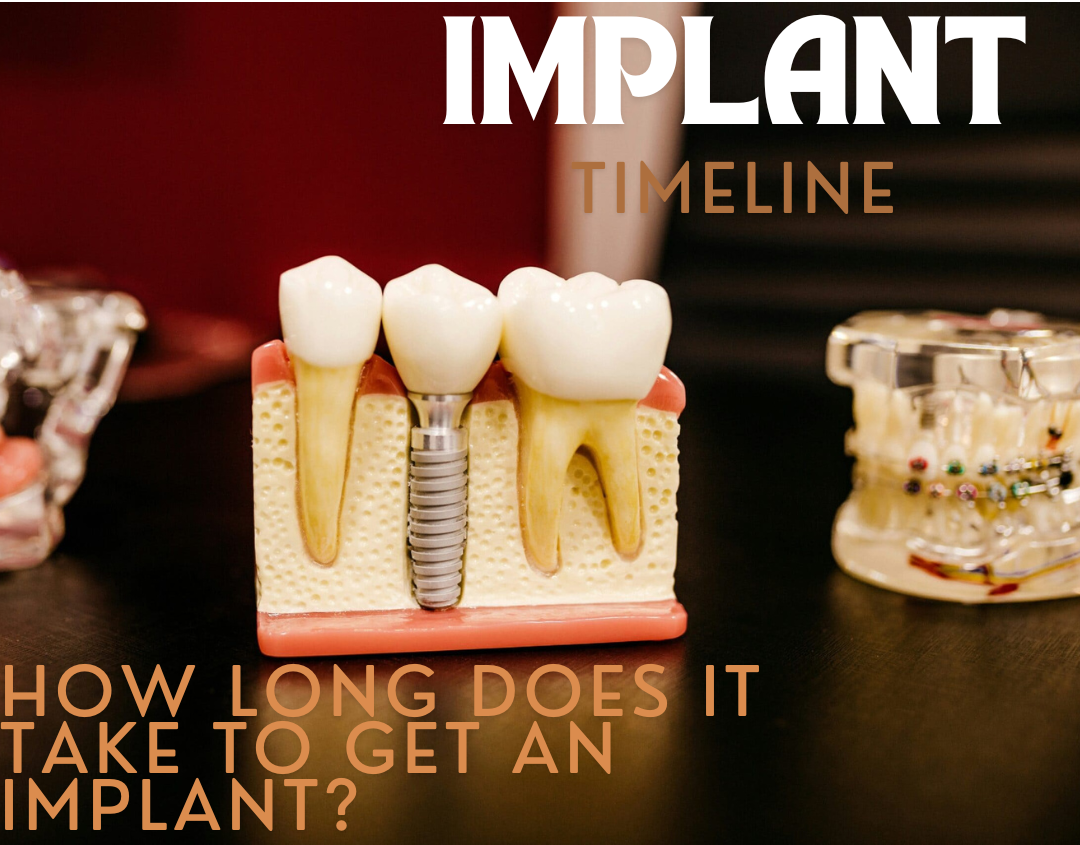
A Dental Implant is a surgical component that fuses with the bone of the jaw or skull to support a dental prosthesis. To learn more about the different components of an implant or reasons you may need one, please click here (the word here will be a link). 

There are many different reasons one might need a dental implant, and the process can be quite extensive. The timeline for receiving a dental implant can vary depending on several factors. An Oral and Maxillofacial (OMS) surgeon will need to consider the patient’s oral health, the need for any preliminary procedures, and the type of restoration being performed. There are several stages that take place to ensure the success of an implant. 

  1. Initial Consultation: The process begins with an initial consultation with one of our Oral and Maxillofacial Surgeons (OMS) specializing in dental implants. During this appointment, the surgeon will take X-Rays, a Cone Beam CT (CBCT) Scan, and/or an intraoral mouth scan in order to evaluate the patient’s oral health, discuss treatment options, and develop a personalized treatment plan.
    • This consultation at Jackson Oral and Facial Surgery can be at any office, with any surgeon, and is typically scheduled to be about 40-60 minutes long.
  2.  Pre-treatment procedures (if necessary): In some cases, patients may require pre-treatment procedures before implant placement to ensure the success of the implant. This may include tooth extraction, bone grafting, or gum disease treatment. These procedures all add extra time to the overall treatment timeline.
    • At Jackson Oral and Facial Surgery, our doctors require a minimum of a 3 month healing process after your teeth have been extracted before implants are placed in. After these 3 months, you will have your implant consultation to check on bone restoration and structure before moving onto implant placement.
    •  Tooth extraction and bone grafting can traditionally happen within the same surgery if the surgeon can see a lack of bone density on your CBCT scan. However, if you have your teeth extracted, wait for them to heal, and your bone does not remodel correctly within 3 months, our surgeons are able to do a bone graft within the same surgery as your implant placement. 
  3. Implant Placement: Once any necessary pre-treatment procedures have been completed and the patient’s oral health is optimized, the dental implant surgery is scheduled. During this procedure, the implant fixture is surgically placed into the jawbone. 
    • The healing period after this surgery is several months. This is to allow for osseointegration, where the implant fixture fuses with and is surrounded by the jawbone, providing a stable foundation for the abutment and prosthesis. 
    • After or at your implant placement, Jackson Oral and Facial Surgery will schedule the next step, abutment uncovering, for 4 months later.
  4.  Abutment Placement: After the osseointegration process is complete and the implant has integrated with the jawbone, the next step involves attaching the abutment to the implant fixture. This minor surgical procedure exposes the top of the implant and prepares it for the attachment of the prosthesis. Within the 4 months after the implant placement, your gums will grow closed over the top of the implant fixture. This procedure is called an “uncovering” because the surgeons will literally “uncover” the top of the fixture in order to place the abutment on it. 
    • Typically, this can be done with a local anesthetic at Jackson Oral and Facial Surgery. We place a healing abutment onto your implant fixture and allow your dentist to replace it with one that works to connect whatever prosthesis you’ve discussed with them. 
    • After this procedure, you will have to wait for the surrounding gum tissue to heal before any impressions are taken to create your prosthesis. Jackson Oral and Facial Surgery recommends that you schedule this appointment with your dentist 2 weeks after the uncovery.
  5. Final restoration: Once the abutment is in place and the surrounding gum tissue has healed, impressions are taken to create the final dental prosthesis, such as a crown, bridge, or denture. These custom made prostheses are done by your dentist and individually designed to suit you and your mouth. Once the final restoration is ready, it is attached to the implant abutment, completing the restoration process.

Overall, the entire process of receiving a dental implant, from initial consultation to the placement of the final restoration, can take several months to complete. However, the result is a durable and long-lasting solution for replacing missing teeth and restoring oral function and aesthetics. 

For any questions about types of implant prostheses, please contact your dentist to discuss which options might work best for you. 

To schedule a consultation with Mid-State oral surgery for implants, please contact us. 

What is a Dental Implant?

April 2nd, 2024|Implants|

To put it simply, a dental implant is an artificially placed root for a tooth. However, the real definition is a medical device surgically implanted into the jaw to serve as a stable foundation for a replacement of a tooth or multiple teeth. 

Why you might need an implant:

  1. Tooth loss: Dental implants are commonly used to replace one or more missing teeth due to reasons such as tooth decay, gum disease, injury, or congenital issues.
  2. Improved appearance: Missing teeth can affect a person’s smile and facial appearance. Dental implants provide a natural-looking solution that can enhance the aesthetics of the smile and restore facial structure.
  3. Restoring chewing function: Missing teeth can make it difficult to chew and eat properly, which can impact overall nutrition and health. Dental implants provide a stable foundation for chewing, allowing individuals to eat a wide variety of foods comfortably.
  4. Preserving jawbone density: When a tooth is lost, the bone that once supported it can begin to deteriorate over time. Dental implants help preserve bone density by stimulating the jawbone and preventing further bone loss.
  5. Preventing teeth shifting: When a tooth is missing, adjacent teeth may shift into the empty space, causing misalignment and bite problems. Dental implants fill the gap, preventing neighboring teeth from moving out of position.
  6. Supporting dental prostheses: Dental implants can also be used to support other dental prostheses such as bridges or dentures. Implants provide stability and prevent these prostheses from slipping or moving while speaking or eating.
  7. Long-term solutions: Unlike traditional dental bridges or dentures, which may need replacement or adjustment over time, dental implants are a durable and long-lasting solution for missing teeth. With proper care, implants can last for many years or even a lifetime.

Overall, dental implants offer numerous benefits for individuals with missing teeth, providing both functional and aesthetic improvements to their oral health and quality of life.

Implant Structure

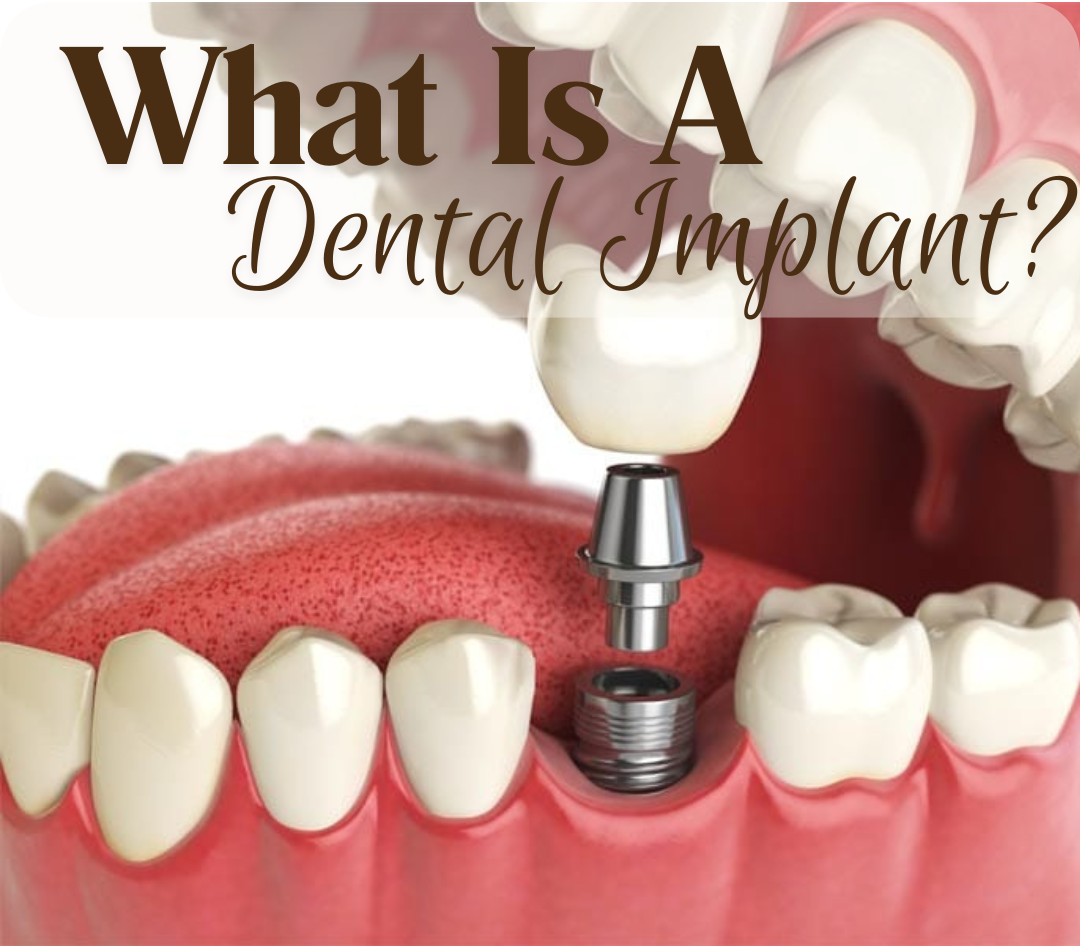
A dental implant typically consists of several components, each serving a specific function in the implant restoration process. Typically, all Dental Implants are made up of 3 parts:

    1. Implant Fixture: This is the portion of the dental implant that is surgically placed into the jawbone. It resembles a screw or cylinder and is usually made of biocompatible materials, such as titanium. The implant fixture serves as the artificial tooth root, providing stability and support for the replacement tooth or teeth. 
  • Post or Abutment: The abutment is a connector piece that attaches to the top of the implant fixture. It protrudes from the gum line and provides a platform for attaching the dental prosthesis, such as a crown, bridge, or denture. Abutments can be made of various materials, including titanium, zirconia, or porcelain. 
  • Prosthesis: A prosthesis can be any form of artificial tooth or teeth that are attached to the dental implant via the abutment. The Prosthesis is custom-made to match the color, shape, and size of the natural teeth to provide a seamless appearance and optimal function. Depending on the number of missing teeth and the patient’s specific needs, the prosthesis can be a single crown, a bridge, or a denture. 
    1. Prostheses can be attached to your implant in many different forms depending on if you decide to get a crown, bridge or denture. This process is called implant restoration and you can contact your dentist to discuss the different implant prosthesis options for you. 

These 3 components work together to form a complete dental implant system, replicating the structure and function of natural teeth. This allows patients to enjoy restored dental function, improved aesthetics, and enhanced oral health. 

Why Do You See an Oral Surgeon for Facial Trauma?

April 2nd, 2024|Facial Trauma|

Facial trauma can be simply described as any injury or damage to the structures of the face, including bones (cheekbones, jaw bones, orbital bones), soft tissues (skin, muscles, and nerves) and dental structures. 

Causes of Facial Trauma and how an Oral Surgeon can help:

10 most common causes of facial trauma:

  1. Motor Vehicle Accidents: Collisions involving cars, motorcycles, bicycles or pedestrians can cause significant facial injuries due to the force of impact. 
  2. Falls: Falls from heights, slips, or trips can lead to facial trauma, especially in children and the elderly.
  3. Assaults: Physical altercations, fights, and assaults can result in facial injuries such as fractures, lacerations, and soft tissue damage.
  4. Sports Injuries: Contact sports such as football, soccer, basketball, and hockey pose a risk of facial trauma due to collisions with other players, equipment, or playing surfaces.
  5. Workplace Accidents: Industrial accidents, construction site incidents, and other workplace injuries can cause facial trauma from falls, machinery accidents, or falling objects.
  6. Recreational Activities: Activities such as skiing, snowboarding, skateboarding, and horseback riding carry a risk of facial injury from falls or collisions.
  7. Physical Altercations: Fistfights, altercations, and physical confrontations can result in facial trauma, including fractures, contusions, and lacerations.
  8. Penetrating Injuries: Stabbings, gunshot wounds, and other penetrating injuries can cause severe facial trauma, including damage to bones, soft tissues, and internal structures.
  9. Animal Bites: Dog bites, cat scratches, and other animal attacks can lead to facial injuries, including lacerations, puncture wounds, and tissue damage.
  10. Medical Procedures: Facial trauma can also occur as a complication of medical procedures, such as dental surgery, facial cosmetic surgery, or medical interventions for underlying conditions.

Overall, facial trauma can arise from various accidental, intentional, or unforeseen events, and the severity of the injury can range from minor cuts and bruises to life-threatening conditions requiring urgent medical attention.

How does an Oral surgeon help with facial trauma? 

Treatment for facial trauma by oral surgeons depends on the severity and specific nature of the injury. A number of different treatments may be necessary, creating interprofessional work between your oral and maxillofacial surgeon, a reconstructive (plastic) surgeon, or an otolaryngologist (ENT) surgeon.

Depending on the extent of the facial trauma, some procedures that take palace by the OMS include:

  1. Fracture repair: OMS surgeons commonly perform surgery to realign and stabilize fractured facial bones including the jaw (mandible), cheekbones (zygomatic bones), and other facial bones. They may use techniques such as wiring, plating, or screw fixation to achieve proper alignment and stability.
  2. Soft Tissue Repair: OMS are trained to repair soft tissue injuries to the face, including lacerations, tears, and other injuries to the skin, muscles, and nerves. Repair for these injuries includes sutures, tissue grafts, or other techniques to restore function and aesthetics. 
  3. Dental Injury Management: OMS are experts in treating dental injuries such as avulsed (knocked-out) teeth, fractured teeth, and injuries to the gums and jawbone. They may perform procedures such as tooth reimplantation, dental splinting, or surgical extraction and socket preservation.
  4. Reconstruction: In cases where severe facial trauma with tissue loss or deformity, OMS surgeons may perform reconstructive surgery to restore the appearance and function of the face. This may involve techniques such as bone grafting or soft tissue reconstruction. 

While other specialists such as plastic surgeons or ENTs may also perform some of these procedures, OMS surgeons are uniquely qualified to address facial trauma due to their comprehensive training in surgery, dentistry, and facial anatomy. They work closely with other medical professionals as part of a multidisciplinary team to provide comprehensive care for patients with facial injuries. 

Overall, the goal in treating facial trauma is to restore both the form and function of the face while minimizing long-term complications and maximizing the patient’s quality of life.


What Are Impacted Wisdom Teeth?

April 2nd, 2024|Wisdom Teeth|

9/10 people have at least one impacted wisdom tooth! This is the primary reason they are removed. 

When wisdom teeth become impacted, they don’t have space to develop and be functioning teeth. Impacted teeth can grow into your mouth sideways, backward, titled, or sometimes they don’t grow in at all. These teeth can cause pain, discomfort, damage to other teeth, and other dental health issues. They have a significant risk of becoming infected or fracturing your jaw, and this makes it necessary for a surgeon to remove them preventatively. 

Wisdom teeth become impacted because they don’t have enough room to come in or develop in the usual way. They are the 3rd molars in the very back of your mouth, and the last teeth to come in. Traditionally, they will erupt between ages 17-25 and a majority of people have 4 wisdom teeth, 2 on top and 2 on bottom. Ideally, your wisdom teeth would grow in and align themselves with your other teeth, causing no issues. In many cases, the mouth is too crowded for your teeth to have proper development, and crowded molars become impacted. 

You can have partially impacted teeth, or fully impacted teeth depending on how much space your mouth allows for. If some of the crown is visible and breaks through the gums, that means it’s partially impacted. Partially impacted teeth can still be facing the wrong direction. 

Complications can arise with fully emerged molars, impacted molars, and partially impacted molars. 

  • Cysts: when your teeth become infected, your body will automatically create a sac within the jaw bone in order to make healing space in the area. Unfortunately, this space can fill with fluid, which creates a cyst that can damage teeth, nerves, and the jawbone. If the problem isn’t managed, there’s a small chance you can develop a tumor which has a more complicated removal process than the cyst does.
  • Decay: wisdom teeth are at a higher risk of developing cavities compared to other teeth. This is because the teeth are so far back in your mouth and they are harder to clean. Brushing and flossing these teeth and the area can be a lot more difficult.
  • Gum disease: since cleaning is difficult, food and bacteria can easily get trapped in partial holes, or around erupted wisdom teeth. You’re more likely to have issues with painful gums in this area if you’re unable to keep them clean.

When impacted wisdom teeth do get infected or cause other dental issues, you may have some of the following symptoms:

  • Red or swollen gums
  • Tender or bleeding gums
  • Jaw pain
  • Swelling around the jaw
  • Bad breath
  • An unpleasant taste in your mouth
  • A hard time opening your mouth 

You can’t stop your wisdom teeth from being impacted, but you can ensure you take care of them no matter how they come in. Keep up with your dental check-ups every 6 months to keep an eye on the development of your wisdom teeth, impacted or not. If your teeth are slow to come in and impacted, talk to your dentist about seeing an oral surgeon to have them removed before they cause you issues. X-rays will show impacted wisdom teeth before any symptoms start. 


Do My Wisdom Teeth Need to be Removed?

March 13th, 2024|Wisdom Teeth|

Wisdom teeth are your third molars set in the back of your mouth. Traditionally, wisdom teeth come in around ages 17-25. They may not need to be removed, but many issues can arise as your wisdom teeth start to come in and if they don’t grow in properly you can end up experiencing a lot of pain. 

Symptoms of painful wisdom teeth include:

  • Red or swollen gums.
  • Tender or bleeding gums.
  • Jaw pain.
  • Swelling around the jaw.
  • Bad breath.
  • An unpleasant taste in your mouth.
  • A hard time opening your mouth.

The most common problems regarding wisdom teeth growth include:

  • Teeth that don’t erupt. These teeth stay completely under your gums and are called impacted wisdom teeth. If they can’t grow out properly, they become trapped within your jaw. Sometimes you’ll hear of people whose wisdom teeth come in sideways or horizontally; these teeth can either be impacted or partially erupted. This causes issues if there is an infection, which can lead to a cyst. Since these teeth are trapped directly in your jaw, decay of these teeth can cause an infection that will then disrupt your bone structure and other teeth roots.
  • Teeth that partially erupt. Sometimes, your wisdom teeth will want to erupt, but they won’t come in all the way. These teeth cannot be properly cleaned, which leads to a higher risk of cavities, and fillings cannot be placed in a partially erupted tooth. Additionally, the chances of food getting lodged between your gum and partial tooth can increase your risk for gum disease and infection. 

Your wisdom teeth may not need to be removed if:

  • They are healthy
  • They grow in correctly
  • Your mouth has space for them
  • They are able to be properly cleaned

Many Dentists and Oral Surgeons recommend getting your wisdom teeth removed if they are not completely erupted by the age of 25. Taking your wisdom teeth as a young adult is a less complicated surgery, and your body recovers a lot faster from it. Since your teeth roots aren’t fully developed yet, there’s less disruption in your jaw with the extractions. Many young adults have their wisdom teeth pulled before they can cause any problems, or removed as treatment for braces or other dental care.

Talk to your dentist and oral surgeon if any of these symptoms arise. Wisdom teeth that are not removed should continue to be monitored because the potential for developing problems later on still exists. Continue with regular dental check ups, cleanings, and x-rays to ensure any later issues with wisdom teeth are caught early or prevented. 

Visit our article on Impacted Wisdom Teeth to learn more.

Go to Top